

Recovery & sleep
Using health data without obsession (orthosomnia and data anxiety)
Wearables are tools, not judges. When chasing perfect scores starts to cause stress or worse sleep, it's time to change how you use them.
Written by MoveVitals Editorial Collective
Community-authored educational content. Individual clinical review is identified only when a named review is actually recorded.
Editorial standards & corrections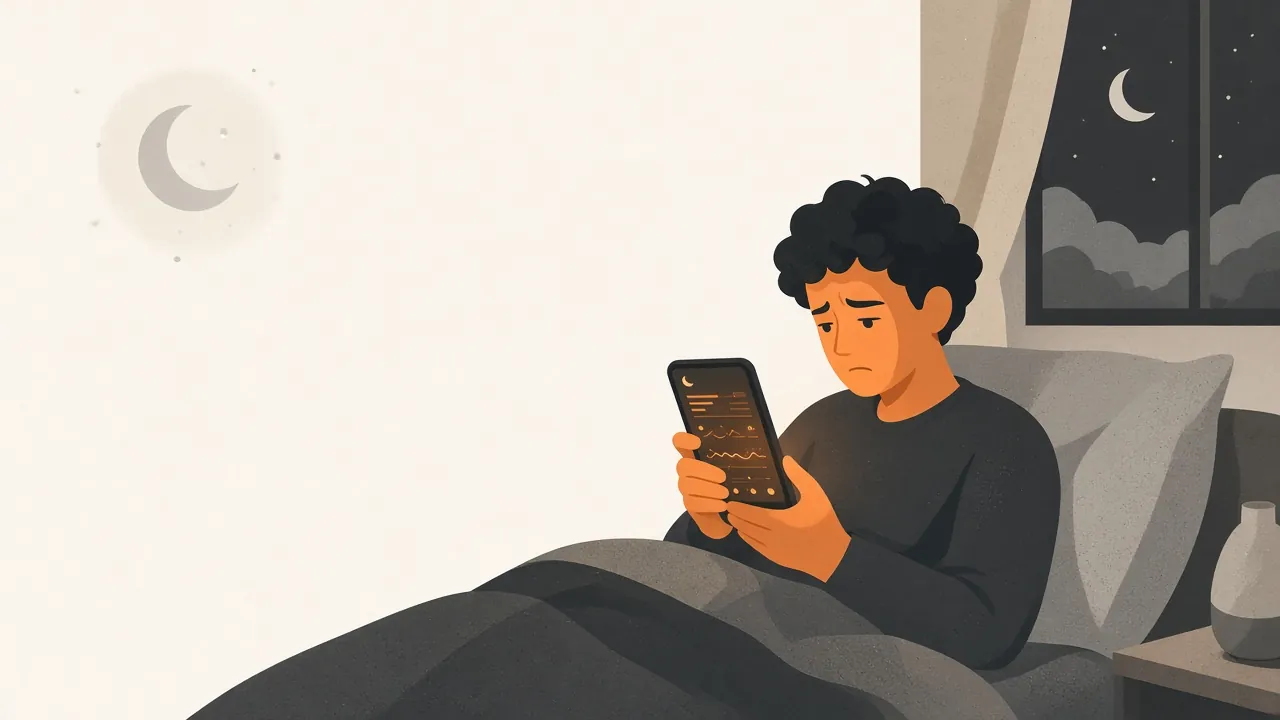
Key takeaways
- Warning signs of orthosomnia include a score deciding your mood on waking, anxiety at a "red" number when you feel fine, and trouble falling asleep because you worry about the score.
- Consumer devices are reasonable for total sleep but less accurate for individual stages, so feeling great with a "bad" score is normal.
- Rate how you feel before opening the app and use weekly averages rather than nightly scores.
- A one to two week break from a tracker can help reset, and comparing two devices nightly breeds doubt.
- Persistent insomnia, loud snoring or daytime sleepiness deserve a medical evaluation regardless of scores, and CBT-I with a sleep professional is an option.
Orthosomnia describes people whose preoccupation with perfect sleep data makes their sleep worse. The same pattern can appear with HRV, readiness or step counts.
Signs data is working against you
- Checking scores immediately on waking decides your mood for the day
- Anxiety when a number is "red", even when you feel fine
- Changing plans constantly based on one metric
- Trouble falling asleep because you worry about the score
Healthier habits
- Feelings first. Ask how you feel before you look at the app.
- Trends over days. Use weekly averages, not nightly scores — see HRV.
- Know the error. Sleep stages and scores are estimates — see sleep stages and sleep scores.
- Use data for decisions, not judgements. "Low recovery → easy session" is helpful; "low recovery → I'm failing" isn't.
- Take breaks. Hide scores or skip the device for a few nights if needed.
- One source of truth. Comparing two devices nightly breeds doubt; MoveVitals lets you set priorities so you see one headline value.
When to get help
If worries about sleep or health data persist, or you have chronic insomnia, talk to a professional. CBT-I helps with insomnia; anxiety responds well to therapy.
Worked example
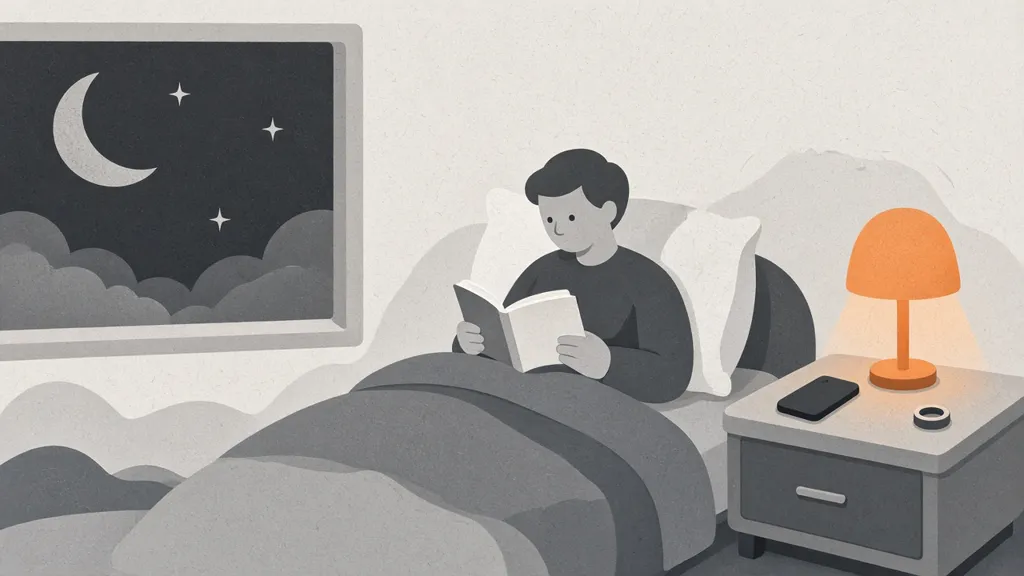
Illustrative scenario. Mei checks her sleep score every morning and feels anxious when it's below 80. She starts going to bed earlier to "earn" more deep sleep, lies awake longer, and her scores get worse — the pattern Baron et al. (2017) described as orthosomnia. She changes her routine: no checking data until after breakfast, only reviewing weekly averages on Sundays, and rating how rested she feels (1–5) before looking at the app. After a month she finds her subjective rating and the weekly trend agree most of the time, and her sleep onset improves.
Action steps
- Rate how you feel before opening the app.
- Look at weekly trends, not single nights.
- Turn off notifications and scores that make you anxious.
- Remember consumer devices estimate sleep stages imperfectly.
- If worry about sleep persists, consider CBT-I with a sleep professional.
Related guides
- Sleep scores compared: Oura, Garmin, Polar, Withings and WHOOP
- Sleep stages: light, deep and REM sleep explained
- Your personal baseline: why "normal for you" beats population averages
- Sleep hygiene: evidence-based habits for better sleep
FAQ
Should I stop tracking? Not necessarily — many people simply look less often and focus on weekly reviews.
Is it normal to feel great with a "bad" score? Yes. Scores are models; your experience is real data too.
Should I stop wearing my tracker? A break of one to two weeks can help reset; many people return with a healthier, trend-focused approach.
Are sleep stage numbers accurate? Validation studies show consumer devices are reasonable for total sleep but less accurate for individual stages.
When is it more than data anxiety? Persistent insomnia, loud snoring or daytime sleepiness deserve a medical evaluation regardless of scores.
References
- Baron et al. (2017). Orthosomnia: Are Some Patients Taking the Quantified Self Too Far?. Journal of Clinical Sleep Medicine. https://doi.org/10.5664/jcsm.6472
- Chinoy et al. (2021). Performance of seven consumer sleep-tracking devices compared with polysomnography. Sleep. https://doi.org/10.1093/sleep/zsaa291
- de Zambotti et al. (2019). Wearable Sleep Technology in Clinical and Research Settings. Medicine & Science in Sports & Exercise. https://doi.org/10.1249/mss.0000000000001947
For general information only. This is not medical advice — talk to a qualified professional about your health.
Keep reading
Recovery & sleep
Alcohol, HRV and sleep: what your wearable shows the night after
3 min read
Metrics explained
Normal heart rate variability (HRV) by age: RMSSD vs SDNN
6 min read
Recovery & sleep
Sleep hygiene: evidence-based habits for better sleep
4 min read
Metrics explained
Resting heart rate: normal ranges and what changes it
4 min read
Devices & setup
Oura Ring and MoveVitals: sleep, readiness and temperature in one place
3 min read
Devices & setup
How MoveVitals handles multiple devices: provenance, duplicates and conflicts
5 min read